Plan a Sri Lanka wildlife safari with this guide to national parks, elephants, leopards, birds, safari seasons, ethical wildlife travel, and private wildlife tours.
Sri Lanka is one of Asia’s most rewarding wildlife destinations. For such a compact island, the variety is remarkable: national parks and forests hold elephants, leopards, and sloth bears; wetlands and lagoons teem with crocodiles and birds; rainforests shelter endemic species found nowhere else; and the surrounding ocean brings seasonal marine life. A well-planned private route can weave safaris together with culture, beaches, and tea country in a single journey.
But a good Sri Lanka wildlife safari is not just about chasing one famous animal. As a Sri Lankan tour operator, our honest view is that the best wildlife trips are built around the right park, the right season, a sensible pace, a responsible operator, and — most importantly — realistic expectations. This guide explains how to plan a Sri Lanka safari that is both rewarding and respectful.
Quick answer: is Sri Lanka good for wildlife and safaris?
Yes, Sri Lanka is excellent for wildlife and safari travel. Travellers can look for elephants, leopards, sloth bears, crocodiles, deer, monkeys, birds, whales, and many smaller species depending on the region and season. However, wildlife sightings are natural and never guaranteed, so a good safari should be planned with patience, ethical viewing, and realistic expectations.
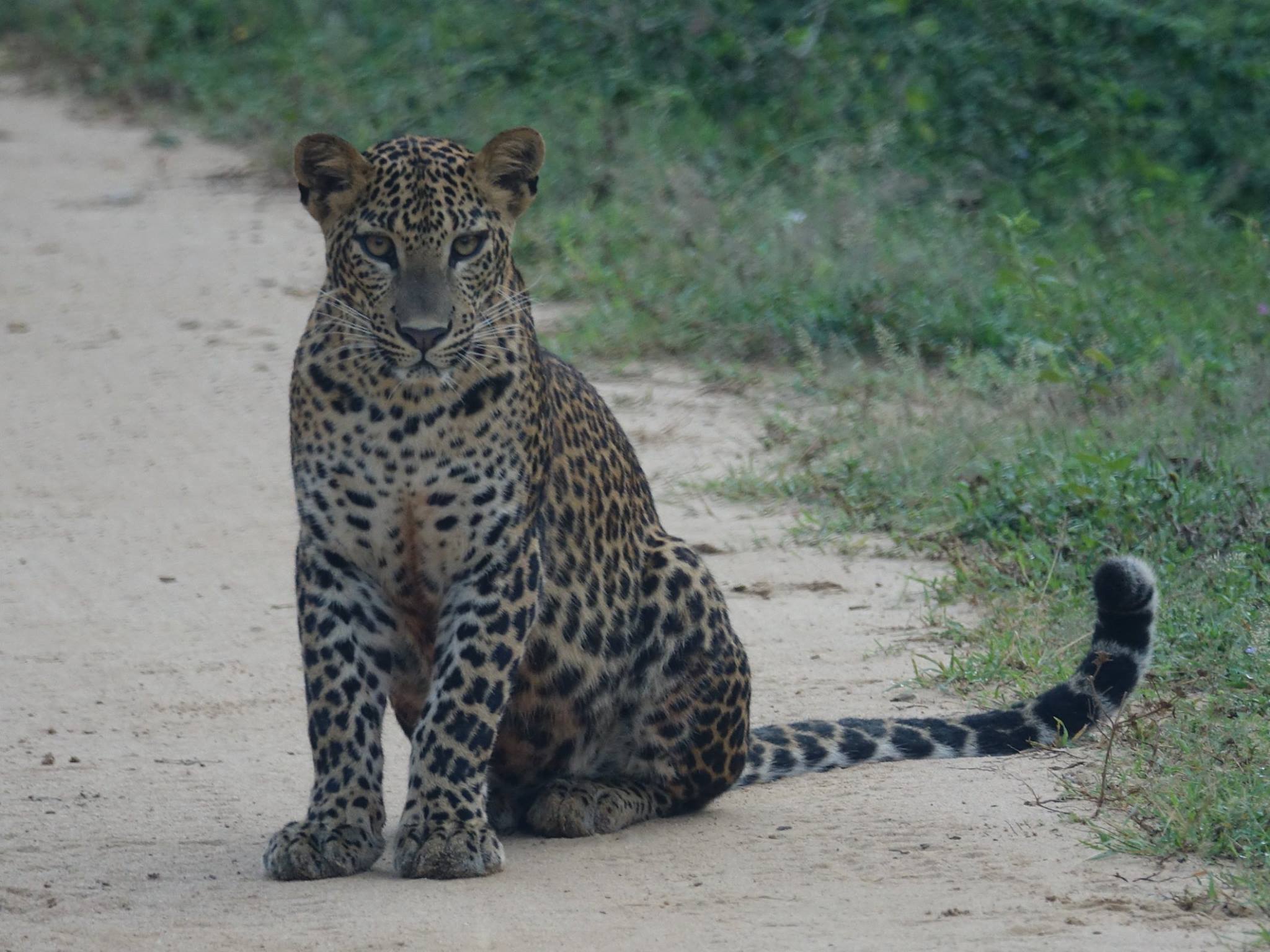
Yala and Wilpattu are commonly chosen for leopard-focused safaris, but sightings are never guaranteed.
Udawalawe, Minneriya, Kaudulla, and some other regions can be good for elephants depending on season.
Bundala, Sinharaja, wetlands, lagoons, and national parks can be rewarding for birdwatchers.
10 to 14 days suits a wildlife-focused route; 16 to 21 days allows slower travel and multiple parks.
You can see how we build safaris into full journeys on our private Sri Lanka wildlife tours page.
What wildlife can you see in Sri Lanka?
Sri Lanka’s parks and reserves support a genuinely impressive range of species. On a typical safari route you may look for:
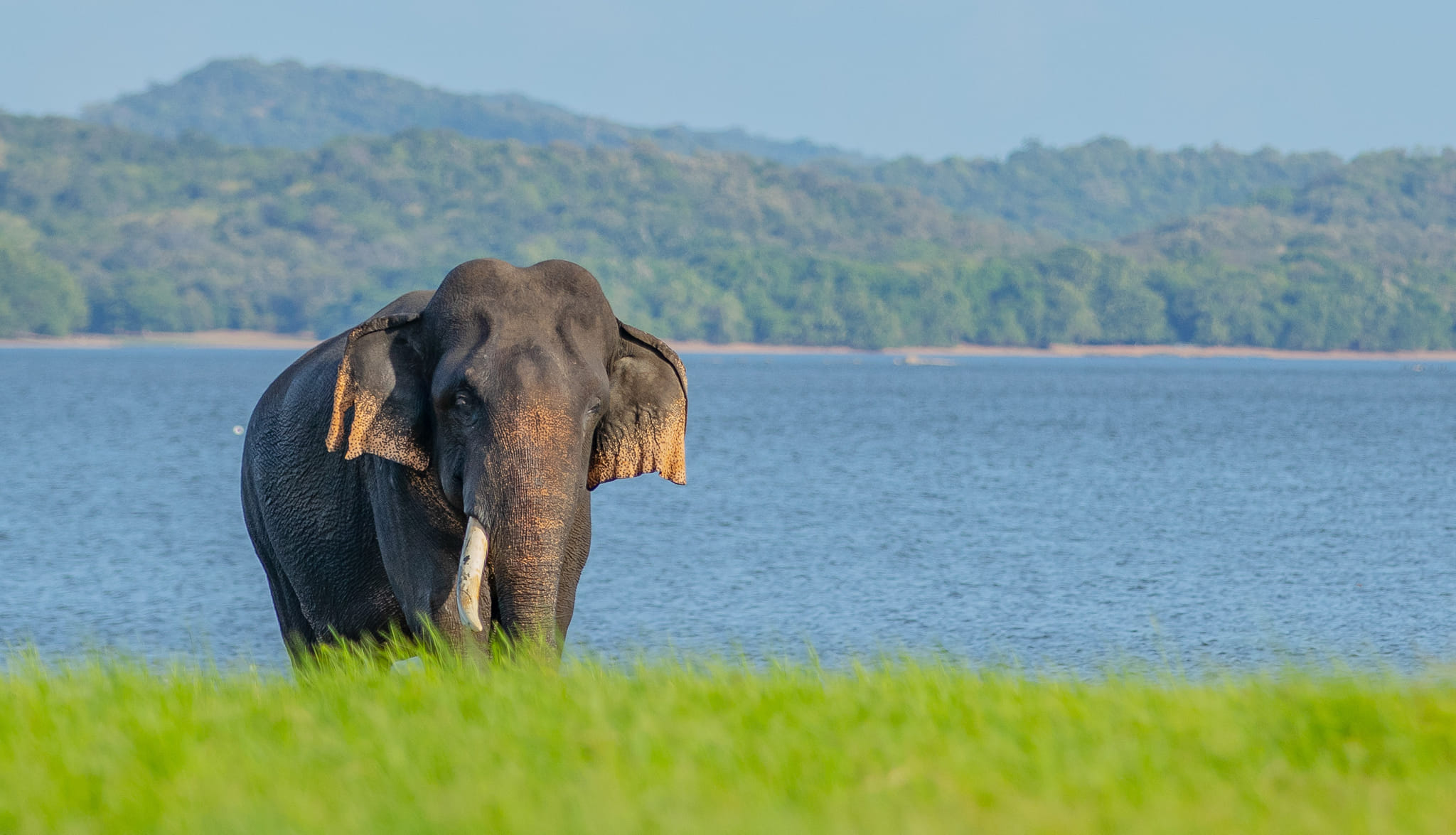
- Asian elephants, the island’s most iconic large mammal,
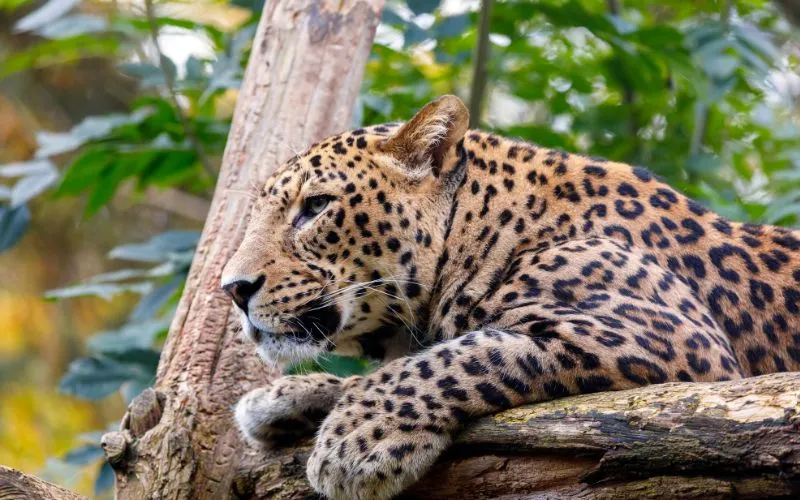
- Leopards, with Sri Lanka holding one of the better-known leopard populations in Asia,
- Sloth bears, shy and harder to find,
- Crocodiles in rivers, tanks, and lagoons,
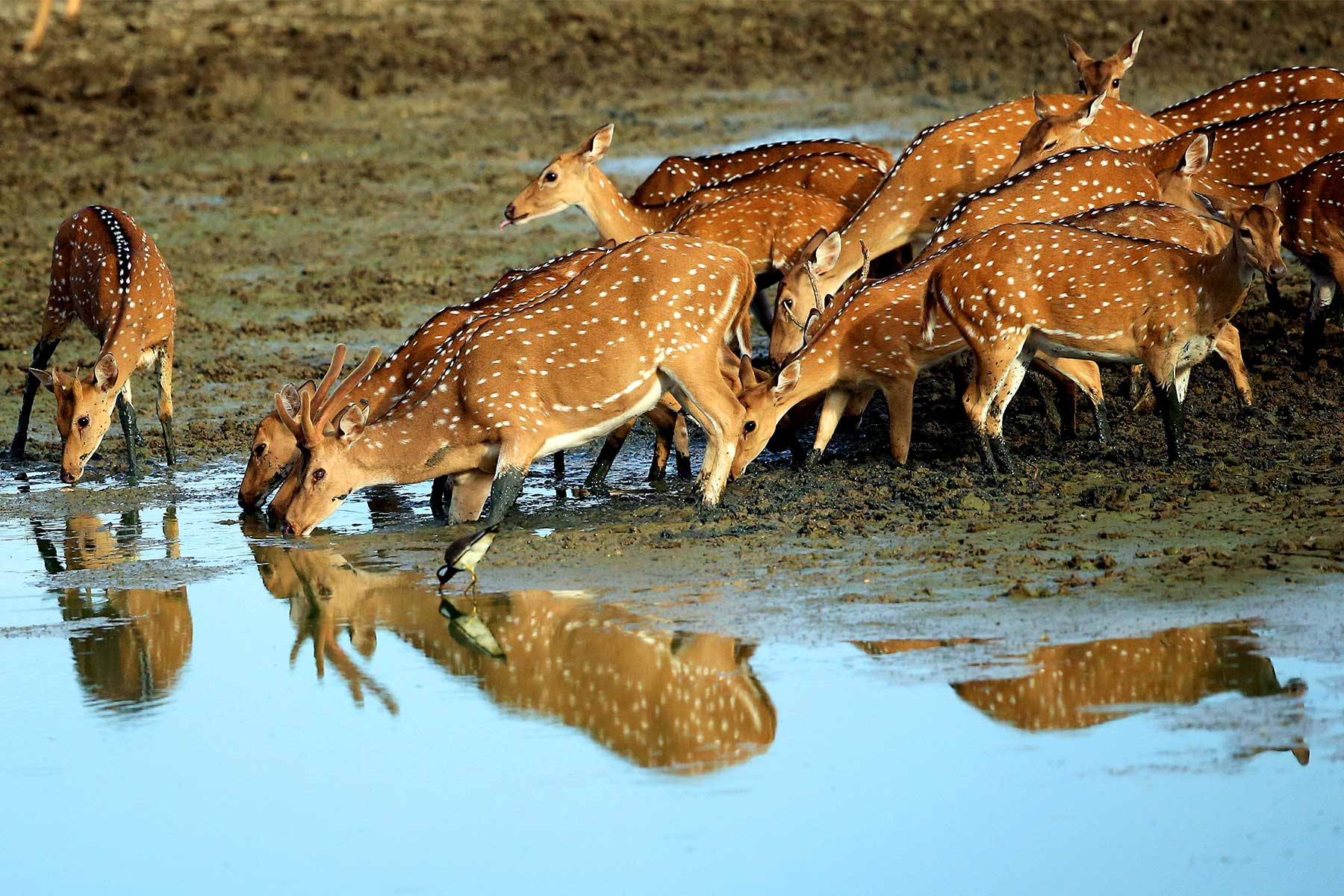
- Spotted deer and sambar deer,
- Monkeys, including macaques and langurs,
- Water buffalo,
- Peacocks and a huge variety of birds, both resident and migratory,
- Marine wildlife on the coast, where seasonal and suitable.
A quick but important note: marine wildlife sightings, such as whales and dolphins, are seasonal and never guaranteed, and depend on the coast, the season, and sea conditions on the day. The same honesty applies on land — every species above is a possibility, not a promise.
Best national parks for safari in Sri Lanka
Sri Lanka’s parks are managed by Sri Lanka’s Department of Wildlife Conservation, and each has its own character.
Yala National Park
The most famous park, popular for leopards, elephants, birds, and varied wildlife. Yala can be busy, especially in peak periods, so timing and zone selection matter for a better experience.
Wilpattu National Park
The island’s largest park, known for a quieter, wilder feel and its leopard possibilities. Depending on your route, longer drives may be involved to reach it.
Udawalawe National Park
Often chosen for elephant-focused safaris and family-friendly wildlife routes, thanks to its relatively open terrain.
Minneriya and Kaudulla
Known for seasonal elephant gatherings in the Cultural Triangle region. Timing, water levels, and elephant movement all influence what you might see.
Bundala National Park
A quieter wetland park, good for birds, crocodiles, and a calmer nature experience.
Gal Oya
A more remote option, known for its scenery and a boat-safari style where conditions suit.
Sinharaja
A UNESCO-listed rainforest rather than a jeep-safari park — rewarding for birds, endemic species, and guided nature walks.
No park can guarantee sightings. For a structured wildlife route, see our 14-day Sri Lanka wildlife safari tour or the more compact 10-day safari and nature tour.
Best time for wildlife safaris in Sri Lanka
Wildlife can be seen in Sri Lanka in many months, but the best park depends on season, route, water levels, and travel style rather than a single “best month.”
- Yala often works well in the drier months, though conditions vary year to year.
- Wilpattu can be planned across many months depending on your route.
- Minneriya and Kaudulla are seasonal, linked closely to elephant movement and water levels.
- Udawalawe is frequently used for elephant-focused routes across many months.
- Birding varies with resident and migratory species through the year.
- Beach season matters too if you plan to add a coast — the south and west are generally better from December to April, the east from May to September.
The practical takeaway: plan the parks and the season together. Our blog on the best time to visit Sri Lanka and our Sri Lanka beach holidays page can help you line up wildlife with a coast.
Leopards, elephants and birds: what to expect
Leopards
Yala and Wilpattu are the parks most associated with leopard-focused routes, and patient travellers are sometimes rewarded with remarkable encounters. But it is worth repeating: leopard sightings are never guaranteed, and a quiet safari with no leopard is still a real and worthwhile wildlife experience.
Elephants
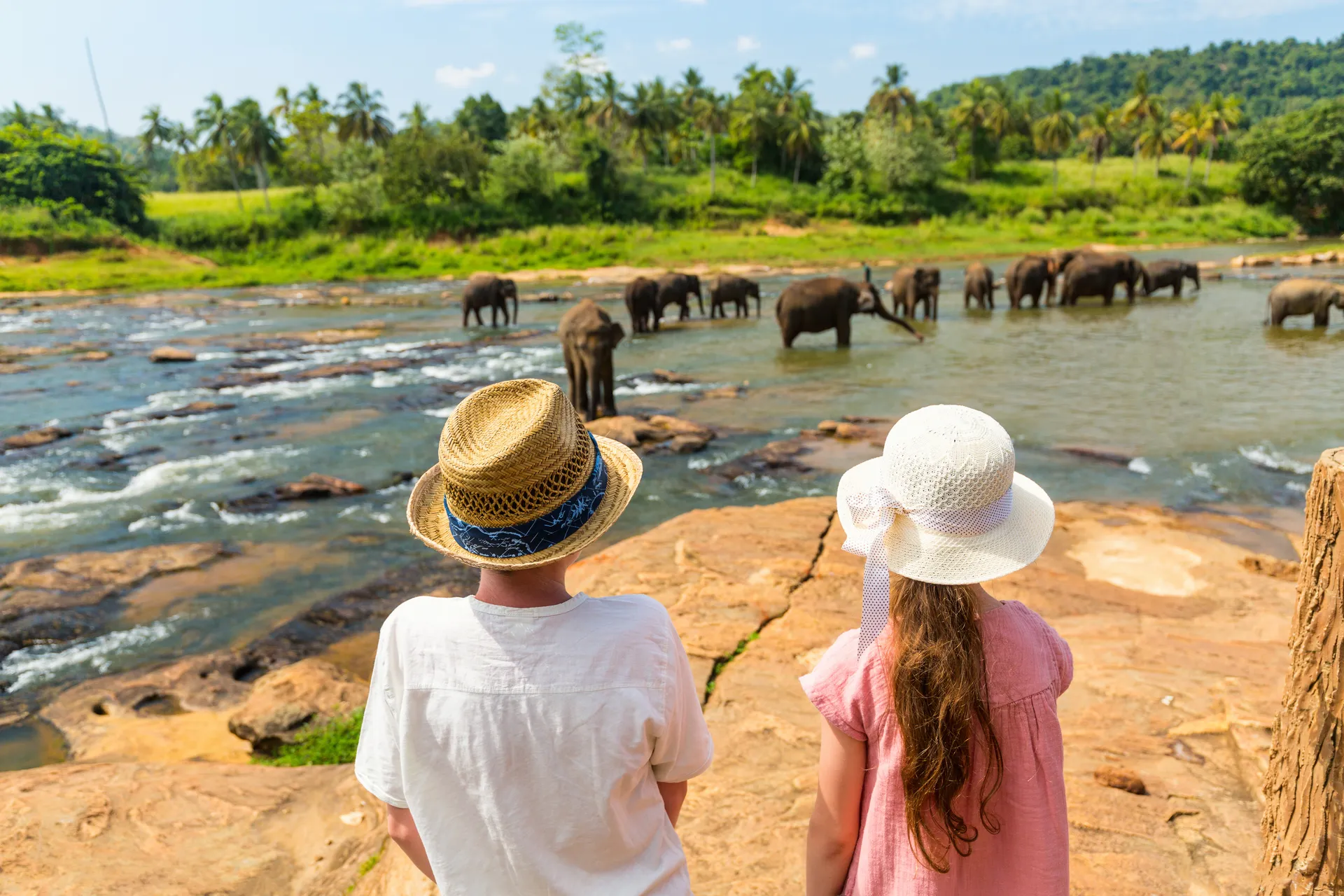
There is an important difference between seeing elephants in the wild on a safari and unethical direct-contact activities. Watching a wild elephant move across a national park from a respectful distance is one of the great experiences of Sri Lanka. Riding, touching, or feeding elephants is not something we encourage — more on that below.
Birds
Sri Lanka can be exceptional for birdwatching, especially around wetlands, rainforest, lagoons, and the national parks. With resident and migratory species and a number of endemics, even non-specialists often enjoy the birdlife on a safari.
Ethical Wildlife Travel and Elephant Welfare
This section matters to us. Elephant Travels does not promote elephant-back riding or harmful animal entertainment.
Because our company name includes “Elephant,” some travellers assume we promote elephant riding or direct elephant activities. That is not the case. The name reflects our respect for Sri Lanka’s wildlife and natural heritage — not support for animal exploitation.
When you travel with us, our approach to wildlife is simple and consistent:
- No elephant-back riding.
- No harmful animal performances.
- No feeding of wild animals.
- No touching or handling of wild animals.
- Keep a respectful distance at all times.
- Choose responsible safari operators.
- Follow park rules.
- Never block animal movement for a photograph.
- Never pressure guides to chase or crowd wildlife.
On a question we are often asked: the Pinnawala Elephant Orphanage is a well-known attraction in Sri Lanka, and some travellers ask about visiting. We encourage guests to consider animal welfare carefully and to make their own informed choice; we do not promote elephant-back riding or activities that may cause harm or unnecessary stress to animals. You can read more about our values on our responsible travel and sustainability page.
Wildlife safaris with families and photographers
Families
Safaris can be wonderful for children, with a little planning. Choose shorter safari blocks, factor in heat, toilet breaks, and early starts, and set expectations in advance — animals are wild and may stay hidden. A private jeep makes timing and breaks much easier. See our Sri Lanka family tours for family-friendly wildlife routes.
Photographers
Wildlife photographers usually want the opposite of a rushed schedule: slower routing, multiple game drives, the right light at dawn and dusk, a private jeep where suitable, and patience. Park and zone selection make a real difference. Our 16-day Sri Lanka wildlife photography tour is built around exactly this kind of slower, image-focused travel.
How to choose the right safari route
A good wildlife itinerary should never be rushed. When we help travellers plan, we balance:
- Travel month and how it affects each park,
- Your main wildlife interest (leopards, elephants, birds, or general),
- Travel pace and how many early starts you want,
- Family ages, if children are travelling,
- Budget and hotel style,
- Beach season, if you want a coastal finish,
- Route distance between parks,
- Whether you want one focused safari or multiple parks.
Get these right and the wildlife becomes the highlight of a comfortable journey, rather than a rushed tick-list.
Recommended Sri Lanka wildlife tour routes
Three private routes that show different ways to build a wildlife trip:
- 10-Day Sri Lanka Safari and Nature Tour — best for travellers wanting a compact, wildlife-focused route.
- 14-Day Sri Lanka Wildlife Safari Tour — best for combining culture, wildlife, and beach in one route.
- 16-Day Sri Lanka Wildlife Photography Tour — best for photographers and wildlife-focused travellers wanting slower safari time.
Each route is private and adjustable — explore all of our Sri Lanka wildlife tours to compare options.
FAQ
Is Sri Lanka good for wildlife safaris? Yes. Sri Lanka is one of Asia’s most rewarding wildlife destinations, with elephants, leopards, sloth bears, crocodiles, deer, monkeys, and many birds. Sightings are natural and never guaranteed, so safaris should be planned with patience and ethical viewing.
What animals can I see in Sri Lanka? Depending on region and season: Asian elephants, leopards, sloth bears, crocodiles, deer, monkeys, water buffalo, peacocks and many birds, and seasonal marine wildlife. No sighting is ever guaranteed.
Are leopard sightings guaranteed in Sri Lanka? No. Yala and Wilpattu are popular for leopards, but sightings depend on season, park conditions, animal movement, weather, timing, and luck.
Which national park is best for leopards? Yala and Wilpattu are the usual choices. Yala can be busier, so timing and zone selection matter; Wilpattu is quieter and wilder. Neither guarantees sightings.
Which national park is best for elephants? Udawalawe is often chosen for elephants, and Minneriya and Kaudulla are known for seasonal gatherings when water levels and movement align.
Is Yala or Wilpattu better? It depends on your travel month, interests, and pace. Yala is varied but can be busy; Wilpattu is quieter and wilder but may involve longer drives.
Is Udawalawe good for families? Yes — it is frequently good for elephant sightings and has open terrain, and shorter well-timed game drives usually suit families with children.
What is the best time for a Sri Lanka safari? Wildlife can be seen in many months; the best park depends on season, route, and water levels. Plan the parks and the season together.
Does Elephant Travels promote elephant riding? No. Elephant Travels does not promote elephant-back riding or harmful animal entertainment, and prefers responsible safari viewing from a distance.
Can a wildlife tour include beaches and culture? Yes. A private route can combine safaris with the Cultural Triangle, tea country, and a beach finish chosen by season.
Plan a private Sri Lanka wildlife tour
Share your travel dates, wildlife interests, preferred pace, hotel style, and whether you want one safari or multiple parks. Elephant Travels will design a private Sri Lanka wildlife route with responsible safari planning, suitable accommodation, and realistic expectations — plan a wildlife tour with us.