Plan a Jaffna and north Sri Lanka cultural journey with this guide to Tamil heritage, Nallur Temple, Jaffna Fort, Delft Island, food, routes, seasons, and private tours.
For many travellers, Sri Lanka is first imagined through Sigiriya, Kandy, tea country, wildlife parks, and the south coast beaches. That classic route is rightly popular, and it shows a wonderful side of the island. But it is not the whole story. Jaffna and the north add a different layer — Tamil culture, Hindu temples, northern food, colonial history, causeways and islands, and a slower regional rhythm that feels distinct from the rest of the country. Jaffna is not always included in first-time itineraries, and that is honest to say. It sits far north, the drives are longer, and it needs more time to do well. For travellers who want cultural depth and a less common route, though, it can become one of the most memorable parts of a Sri Lanka journey. As a Sri Lankan tour operator, our role is to help you understand whether the north fits your trip — and, if it does, to plan it at a realistic pace. We’d always encourage travellers to check current travel guidance before departure as part of that planning. ## Quick answer: is Jaffna worth visiting? Yes — Jaffna is worth visiting for travellers who want a deeper cultural journey in Sri Lanka. It is best for people interested in Tamil heritage, Hindu temples, northern food, colonial history, local markets, coastal landscapes, and routes beyond the standard highlights. Because Jaffna is far north, it works better inside longer itineraries than in short holidays, and the route should be planned carefully around travel times and the season.
Best for
Cultural travellers
Jaffna offers Tamil heritage, Hindu temples, local food, and a different regional story.
Best trip length
16 to 21 days
Northern Sri Lanka needs enough time to avoid rushed transfers.
Best route pairing
Cultural Triangle & east coast
Jaffna combines well with Anuradhapura, Trincomalee, Batticaloa, and Pasikuda.
Best travel style
Private cultural tour
A private route allows better pacing, local context, and realistic travel planning.
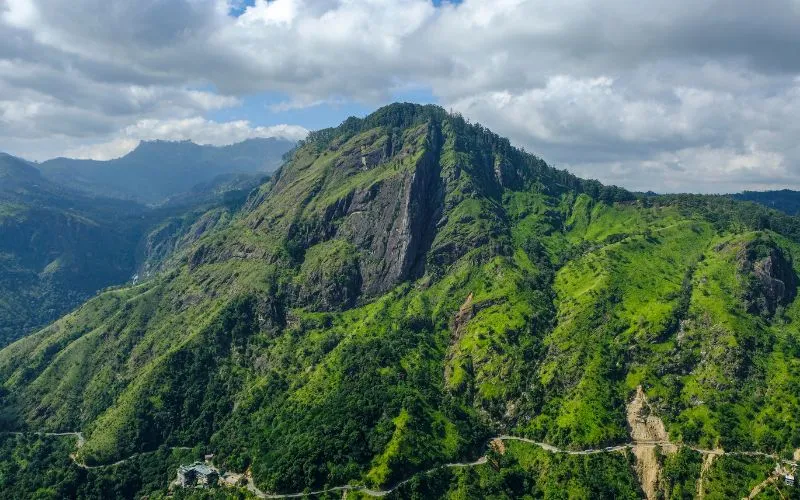
Jaffna adds a distinct cultural layer to a Sri Lanka journey, best enjoyed with enough time.
Why visit Jaffna and northern Sri Lanka? The simplest reason to travel north
is that it feels different from the rest of the island. The north has its own cultural identity, shaped by Tamil heritage and a long, layered history. For travellers who have already seen — or plan to see — the classic centre and south, Jaffna offers a fresh perspective and a deeper understanding of Sri Lanka as a whole. A few things stand out for cultural travellers: - Tamil heritage and everyday life that differ from the central and southern regions. - Hindu temples, including the well-known Nallur Kandaswamy Temple. - Distinctive northern food, with its own ingredients, flavours, and traditions. - Colonial history, seen most clearly around Jaffna Fort. - Local markets and small eateries that reward slow, curious travel. - Coastal areas, causeways, and northern islands where conditions allow. - Fewer standard tourist routes, which gives the region a quieter, more local feel. Jaffna should be approached with curiosity, sensitivity, and respect for the region’s history and communities. It is a place to listen and learn, not to rush through. If you are still mapping out the broader cultural picture of the island, our Sri Lanka cultural tours and the in-depth Sri Lanka Cultural Triangle guide are useful companions to this article. ## Best places to visit in Jaffna Jaffna rewards travellers who slow down and take it town by town. Some of the places and experiences that often anchor a northern route include: - Nallur Kandaswamy Temple — a major Hindu temple and cultural highlight. - Jaffna Fort — for colonial history, fort walls, and coastal views. - The area around the Jaffna Public Library — a meaningful local landmark, to be visited respectfully. - Local markets — a window into northern produce, ingredients, and daily life. - Causeways and coastal roads — scenic links across the peninsula and toward the islands. - Northern islands, such as Delft, where conditions and logistics allow. - Point Pedro and northern coastal areas, where suitable for your route. - Local food stops — small eateries that are often a highlight in their own right. Opening hours, entry details, and access can change, and some sites depend on local conditions on the day, so these are best confirmed locally and planned with a little flexibility.

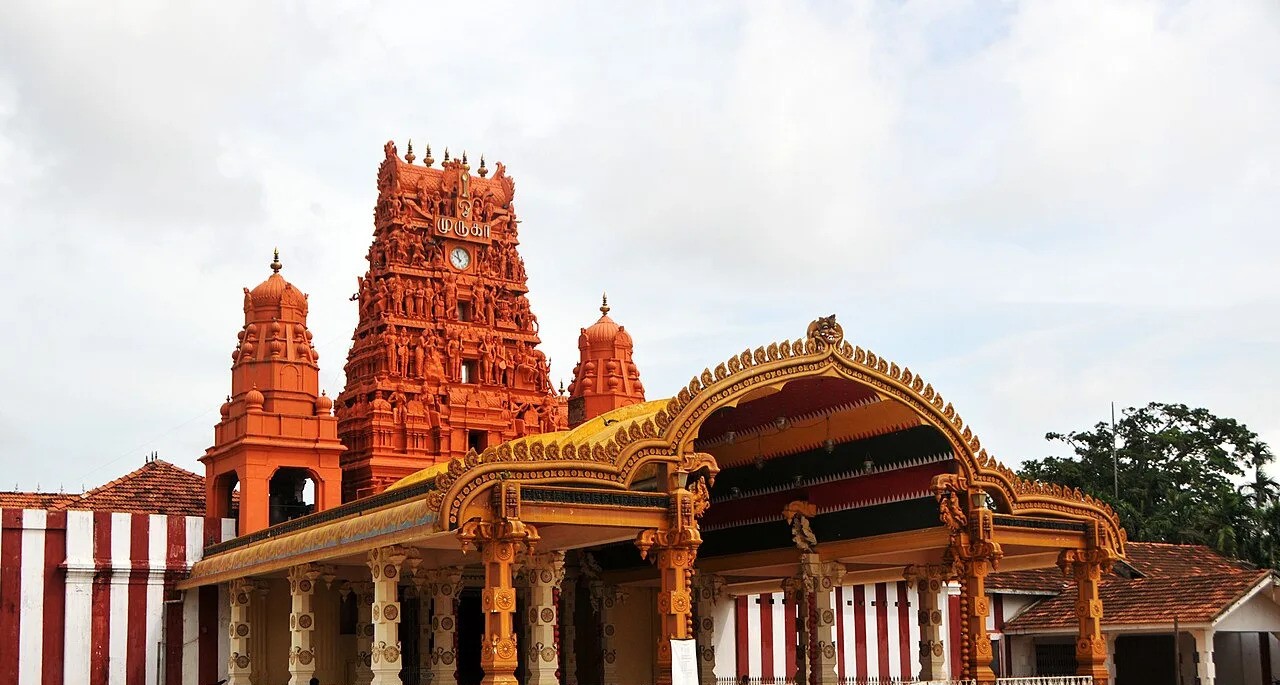
Northern heritage rewards a respectful, unhurried approach to each site.
Nallur Kandaswamy Temple and Hindu heritage **Nallur Kandaswamy Temple is one
of the most important Hindu temples in Jaffna** and a major cultural highlight for many visitors. For travellers interested in Tamil culture and religious heritage, it is often the centrepiece of a northern day. Because it is an active place of worship, a few points of etiquette matter: - Dress respectfully — modest clothing that covers the shoulders and knees is appropriate. - Footwear is usually removed where required, in keeping with temple custom. - Be sensitive with photography — take photos only where it is clearly permitted, and never intrude on people at prayer. - Timing matters, as temple activity changes through the day, and busy ritual times call for extra discretion. Above all, religious sites should be visited respectfully, not treated as photo stops. Customs vary between temples, so the best approach is to follow local signage and guidance on the day, and to give people and rituals plenty of space.
Jaffna Fort, colonial history and local culture **Jaffna Fort gives helpful
context to the region’s colonial and strategic history.** Built and reshaped under successive colonial powers, it is one of the clearest places in the north to understand how outside influences left their mark on the peninsula. For travellers who enjoy history and architecture, the fort works well as a slow, reflective stop: - Fort walls and open views over the surrounding area and coast. - A sense of the colonial influence that shaped this part of Sri Lanka. - Walking and heat considerations — there is open ground and limited shade, so early starts, water, and sun protection help. The fort pairs naturally with a wider look at Jaffna town and its food, so it is easy to combine a visit with local markets and small eateries for a fuller picture of northern life.
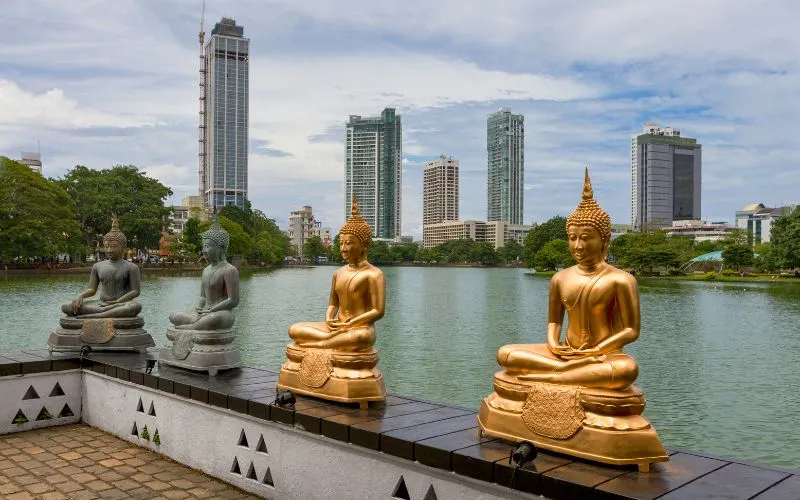
Colonial history and town life sit side by side across Jaffna’s heritage stops.
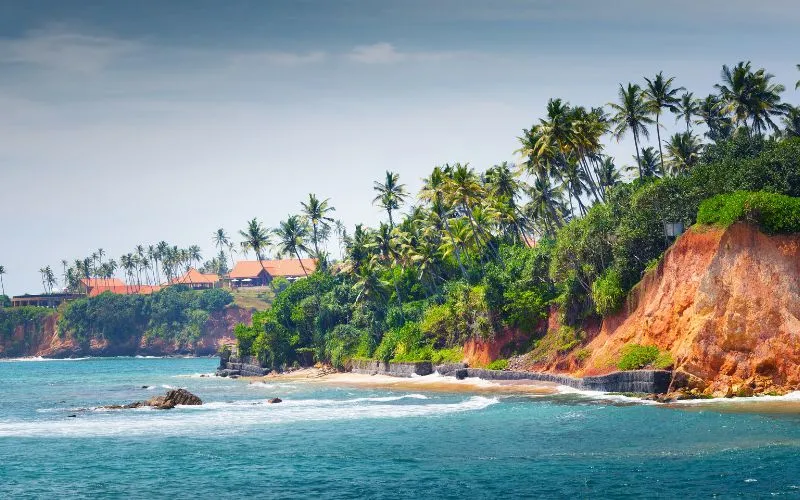
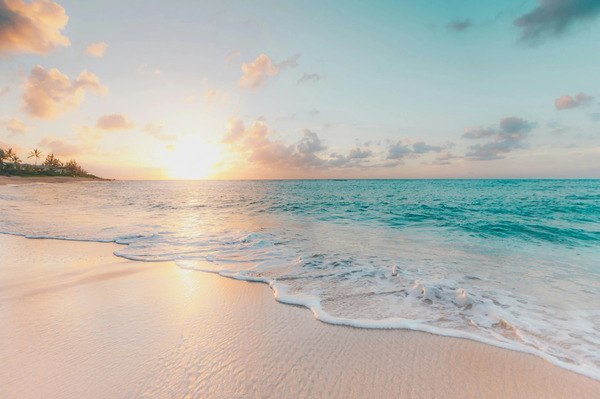
Northern islands and coastal stretches depend on local conditions, so they are best kept flexible.
Delft Island and northern coastal experiences **Delft Island and other
northern island visits can be genuinely rewarding, but they need careful planning.** This is an area where honesty matters more than marketing: - Boat and ferry logistics depend on local conditions and are never guaranteed. - Weather and sea conditions can affect whether a crossing is sensible or comfortable. - It is not suitable for every traveller, especially those who prefer easy days or limited time on the water. - Travel time and comfort should be weighed against the rest of your itinerary. If an island visit is not realistic on your dates, that does not mean missing out — alternative northern coastal experiences along the causeways and shoreline can offer a similar sense of the north’s quiet, open landscapes. The right call depends on conditions on the day and how your wider route is paced, which is exactly the kind of thing a private plan can keep flexible. ## Jaffna food and local life Food is one of Jaffna’s quiet highlights. The north is known for distinctive regional cooking and a lively local market culture that differ from the rest of the island. Travellers often enjoy: - Tamil food traditions, with their own spices, ingredients, and techniques. - Local snacks found in markets and small shops. - Vegetarian options, which are widely part of the food culture. - Seafood, where suitable and available near the coast. - Markets and small local eateries, which are often more memorable than formal restaurants. Food experiences should be planned around traveller comfort and dietary needs, and where dishes are spicy, they can often be adjusted where possible — though this is best confirmed locally rather than assumed. For families and travellers with specific requirements, building food stops into the plan in advance usually makes the day far smoother. ## How to combine Jaffna with the east coast One of the strongest reasons to travel north is how well Jaffna links into a wider cultural and coastal route. A northern leg combines naturally with: - Anuradhapura and the broader Cultural Triangle (including Polonnaruwa), - Trincomalee and Nilaveli on the northeast coast, - Batticaloa and Pasikuda further south on the east, - and Kandy or Colombo, depending on how the route begins or ends. This pairing is especially useful for May to September travel, when east coast beaches are usually more suitable than the south or west. A combined journey lets you move from northern heritage into east coast culture and beach time without depending on south or west coast conditions. Our 16-Day Sri Lanka North and East Cultural Tour is built around exactly this idea, and the dedicated Sri Lanka east coast guide explains the coastal side in more detail. If beach time is a priority within the trip, browse our Sri Lanka beach holidays to see how a coastal section can be shaped. ## Best time to visit Jaffna and the north The north can be hot and dry at certain times of year, so daily timing and pacing matter as much as the calendar. A few honest pointers: - May to September can work well, particularly when Jaffna is combined with the east coast — but heat and longer travel distances should be factored in. - December to March may also be considered, depending on your overall route and where else you are travelling. - Midday sightseeing can be tiring, so early starts, shaded breaks, and a slower pace help a great deal. - Weather patterns can vary, so nothing should be assumed in advance. Because conditions change from year to year, it is always worth checking current guidance close to travel. For a broader view of seasons across the island, our best time to visit Sri Lanka guide puts the north in context with the rest of the country. ## How many days do you need in Jaffna? Jaffna rewards a little patience. As a rough guide: - 1 night — usually too rushed for most cultural travellers. - 2 nights — possible for a focused Jaffna city experience (Nallur, the Fort, and some food). - 3 nights — better for the town, Nallur, the Fort, food, and possibly nearby northern coastal areas. - 4+ nights — useful if you want to include islands, slow travel, photography, or deeper cultural exploration. In practice, Jaffna works best as part of a longer 16 to 21-day Sri Lanka route rather than a standalone short trip, simply because of the distances involved. If you are weighing up overall trip length, our guide to how many days you need in Sri Lanka breaks down the trade-offs in detail.
Recommended Jaffna and north Sri Lanka routes There is no single “right” way
to include the north — it depends on your time, interests, and pace. Three private starting points show different approaches: 1. 16-Day Sri Lanka North and East Cultural Tour — best for travellers wanting Jaffna, Trincomalee, Batticaloa, and real cultural depth across the north and east. 2. 21-Day Sri Lanka Grand Cultural Tour — best for travellers wanting a deeper, island-wide cultural journey with time to slow down. 3. Sri Lanka Cultural Tours — best for travellers comparing classic cultural routes with north and east extensions.
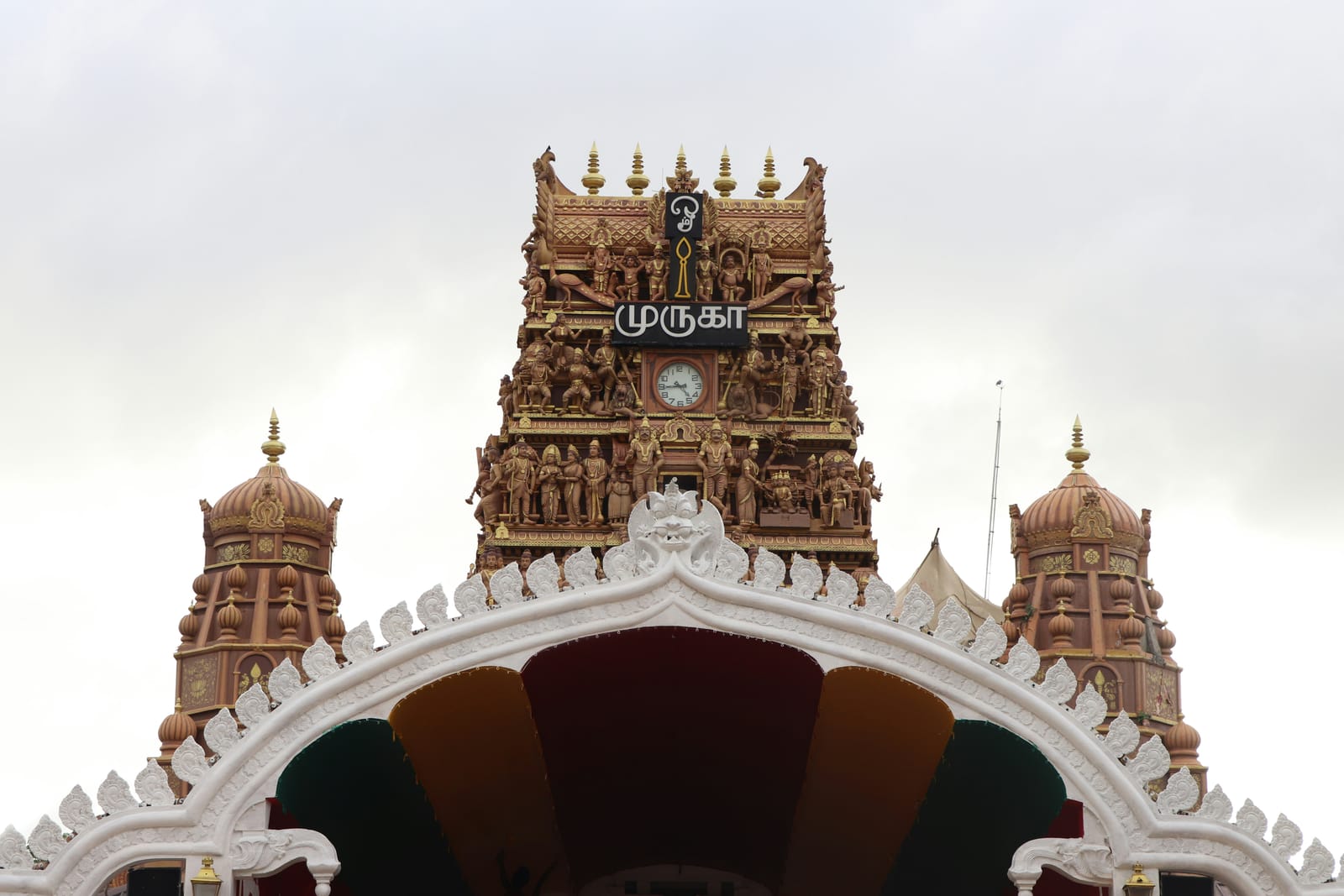
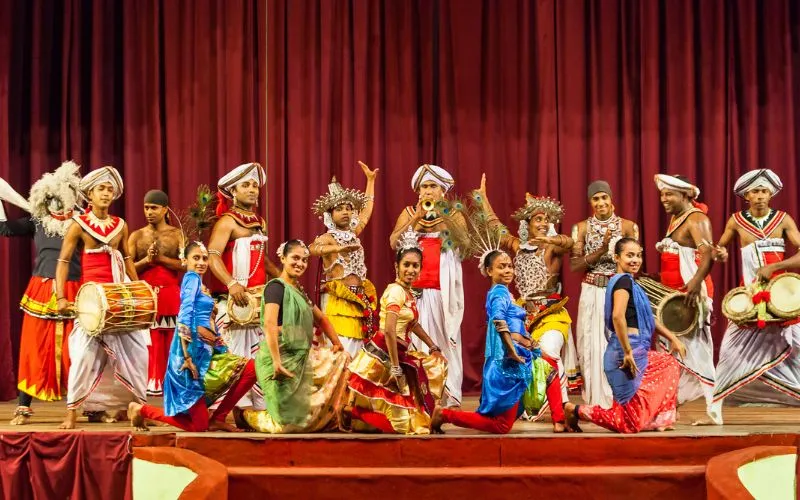
A private route can weave Jaffna and the north into a longer cultural journey at a realistic pace.
Each of these is private and fully adjustable. If none fits exactly, that is normal — most northern journeys are shaped around the traveller, so you can always build a custom route instead. ## FAQ Is Jaffna worth visiting in Sri Lanka? Yes, for travellers who want a deeper cultural journey — Tamil heritage, Hindu temples, northern food, colonial history, and coastal landscapes. Because it is far north, it suits longer itineraries more than short holidays, and the route should be planned carefully. How many days do you need in Jaffna? One night is usually too rushed. Two nights suit a focused city experience, three nights are better for the town, Nallur, the Fort, food, and nearby coast, and four or more nights help if you include islands or slower travel. It works best within a 16 to 21-day route. What is Jaffna known for? Tamil culture, Hindu temples such as Nallur Kandaswamy Temple, Jaffna Fort and colonial history, distinctive northern food, local markets, causeways, and the northern islands. Is Jaffna suitable for first-time visitors? It can be, but it is not essential for every first itinerary. It sits far north and needs more time, so first-timers with limited days often start with the classic route, while those wanting cultural depth include Jaffna in a longer trip. Can Jaffna be combined with Trincomalee and the east coast? Yes — it combines well with Anuradhapura, the Cultural Triangle, Trincomalee, Batticaloa, and Pasikuda, which is especially useful for May to September travel. Plan enough nights for the longer drives. What should I wear when visiting temples in Jaffna? Modest dress covering the shoulders and knees is appropriate, footwear is usually removed where required, and photography should be discreet and only where permitted. Customs vary by temple, so follow local guidance. Is Delft Island easy to visit? Not always. Island visits depend on boat and ferry logistics, weather, and local availability, and are never guaranteed. They need careful planning, are not suitable for everyone, and alternative coastal experiences can be used instead. What is the best time to visit Jaffna? The north can be hot and dry, so timing matters. May to September can work well combined with the east coast, and December to March may also suit some routes. Weather varies, so check current guidance and plan early starts. Is Jaffna good for families? It can suit families interested in culture and food, depending on children’s ages, walking comfort, hotel style, and pace. Because of distances and heat, family routes need realistic pacing and enough nights. Can Elephant Travels plan a private Jaffna tour? Yes — a private north or north-and-east route around your dates, nights, interests, walking comfort, and hotel style, at a realistic pace. ## Plan a Private Jaffna and North Sri Lanka Cultural Tour Share your travel dates, number of nights, cultural interests, walking comfort, hotel style, and must-see places. Elephant Travels will design a private Sri Lanka route that includes Jaffna and the north at a realistic pace — plan a Jaffna tour.